Does preserved moss need watering or sunlight?
Preserved moss does not need watering or sunlight. Unlike living plants, preserved moss has been chemically treated to maintain its soft, green appearance indefinitely without soil, water, or natural light. This makes it a practical and attractive option for indoor moss decor, especially for spaces where real plants struggle to survive.
What is preserved moss?
Preserved moss is real moss that has been harvested, dried, and then treated with a non-toxic preservation solution, usually a blend of glycerin and food-grade dyes. The glycerin replaces the water inside the plant cells, keeping the moss flexible and retaining its natural texture and color. The dyes restore or enhance the green tones that would otherwise fade after harvesting. The result is a plant material that looks and feels alive but no longer requires the care of a living organism.
Because the preservation process stops biological activity, preserved moss does not photosynthesize. It does not grow, it does not need light, and it does not need water. It simply stays as it is, provided the conditions around it remain stable.
What preserved moss does need
While preserved moss does not need watering or sunlight, it does benefit from a few simple care practices to keep it looking its best over time.

Humidity control
Humidity is the most important factor for preserved moss. The glycerin inside the moss is hygroscopic, meaning it absorbs moisture from the air. In very humid environments (above 70% relative humidity), the moss can become limp, darkened, or sticky. In very dry air (below 30% relative humidity), it may become brittle and lose its flexibility, causing leaves to break off. The ideal indoor humidity range for preserved moss is between 40% and 60%. If your home tends to be dry in winter, a small humidifier nearby can help. If it is very humid, good ventilation or a dehumidifier will protect the moss.
Direct sunlight
Direct sunlight is harmful to preserved moss. The UV rays in sunlight break down the dyes and the glycerin over time, causing the color to fade and the moss to become dry and brittle. An indoor moss display should be placed in a spot that receives indirect or filtered light, or even in a room with only artificial lighting. A north-facing window or a shelf away from windows works well. Bathrooms and kitchens with small windows are often good locations because they also tend to have moderate humidity.
Dust management
Dust settles on preserved moss just as it does on any surface. Over weeks and months, a layer of dust dulls the green and makes the moss look tired. The best way to handle dust is to use a soft brush, such as a clean makeup brush or a soft paintbrush, and gently brush the surface every few weeks. For larger installations, a hairdryer on the cool, low setting can blow dust off, but hold it at least 30 cm away to avoid dislodging the moss. Avoid using water, damp cloths, or any cleaning spray, as moisture can react with the preservation solution and cause discoloration or mold.
Airflow
Good airflow helps prevent mold and keeps the moss fresh. Stagnant air, especially in corners or behind furniture, can allow moisture to build up around the moss. A room with natural ventilation or a ceiling fan on low is sufficient. Avoid placing preserved moss directly in front of an air conditioner vent or a heater, as the rapid temperature changes and dry air can accelerate brittleness.
How long does preserved moss last?
With reasonable care, preserved moss can maintain its appearance for several years. The longevity depends on the quality of the preservation, the environment, and how often it is handled. High-quality preserved moss, such as the type used in ready-made wall art kits and custom panels, tends to hold its color stability longer because the dyes and glycerin are evenly absorbed. Over time, even well-cared-for preserved moss may gradually fade or become slightly dusty, but it will never require the replacement or repotting that a living plant would.
Where preserved moss works best
Because it needs no watering or sunlight, preserved moss is suited to areas where living plants are difficult to maintain. Dark hallways, windowless bathrooms, corners with no natural light, or rooms with erratic temperature swings all benefit from preserved moss. It is also popular in offices, because it does not need weekend care or someone to remember to water it. The moss acts as a natural texture and color element that softens hard surfaces without the commitment of a living plant.
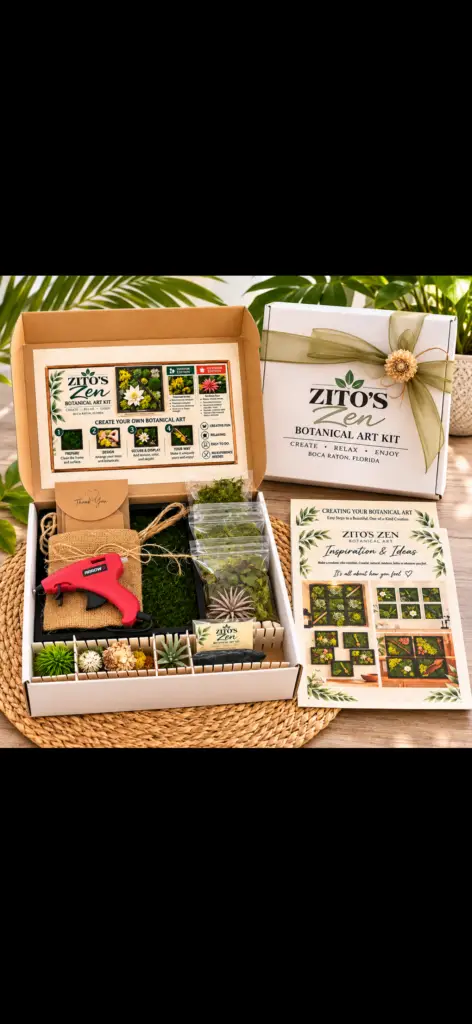
One of the main appeals of preserved moss is that it offers easy care natural wall decor that does not require any daily or weekly maintenance. Once installed, you only need to dust it occasionally and keep an eye on humidity. That simplicity makes it a favorite among people who want the look of greenery without the responsibility.
What to watch out for
Even though preserved moss is low maintenance, a few common mistakes can shorten its life.
- Placing it in direct sunlight: As noted, UV light fades the color quickly. Keep it out of south-facing windows or skylights.
- Misting or watering the moss: Some people instinctively treat preserved moss like a living plant and spray it with water. This introduces moisture that can cause the preservation solution to leach out, leading to sticky spots, mold, or discoloration. Never add water to preserved moss.
- Using harsh cleaning methods: Vacuum cleaners with brush attachments can pull pieces of moss loose. Stick to a soft brush or cool air only.
- Ignoring humidity extremes: A hygrometer is a cheap way to monitor the room's humidity. If you see the moss turning sticky or brittle, adjusting the humidity will usually fix the issue.
Preserved moss is also not suitable for outdoor use. Rain, wind, and direct sun will degrade it within weeks. Keep it indoors, away from windows that are opened frequently, and it will serve you for a long time.
Why it works for indoor moss decor
Indoor moss decor often aims to bring a natural, calming element into a room without the hassle of plant care. Preserved moss fits that goal perfectly. It adds depth, texture, and a living-room feel to walls, shelves, or frames, and it stays green year-round. Because it does not require light, you can place it exactly where you want it for aesthetic reasons, not just where a plant would survive.
For those who appreciate the look of a living wall but cannot commit to the watering, pruning, and lighting that a real green wall demands, preserved moss offers an appealing alternative. It is essentially a set-and-forget decoration that still feels organic. Many people choose it for bedrooms, living rooms, and even commercial lobbies because it never needs trimming or fertilizing.
Cleaning and long-term care
Over several years, preserved moss may lose some of its initial vibrancy. If the color fades, you can sometimes refresh it by applying a small amount of glycerin and food-grade dye mixture to the surface, but this is a delicate process and not always necessary. Most people simply enjoy the moss as it naturally ages. The slight patina that develops can actually look more authentic than the bright, uniform green of a fresh piece.
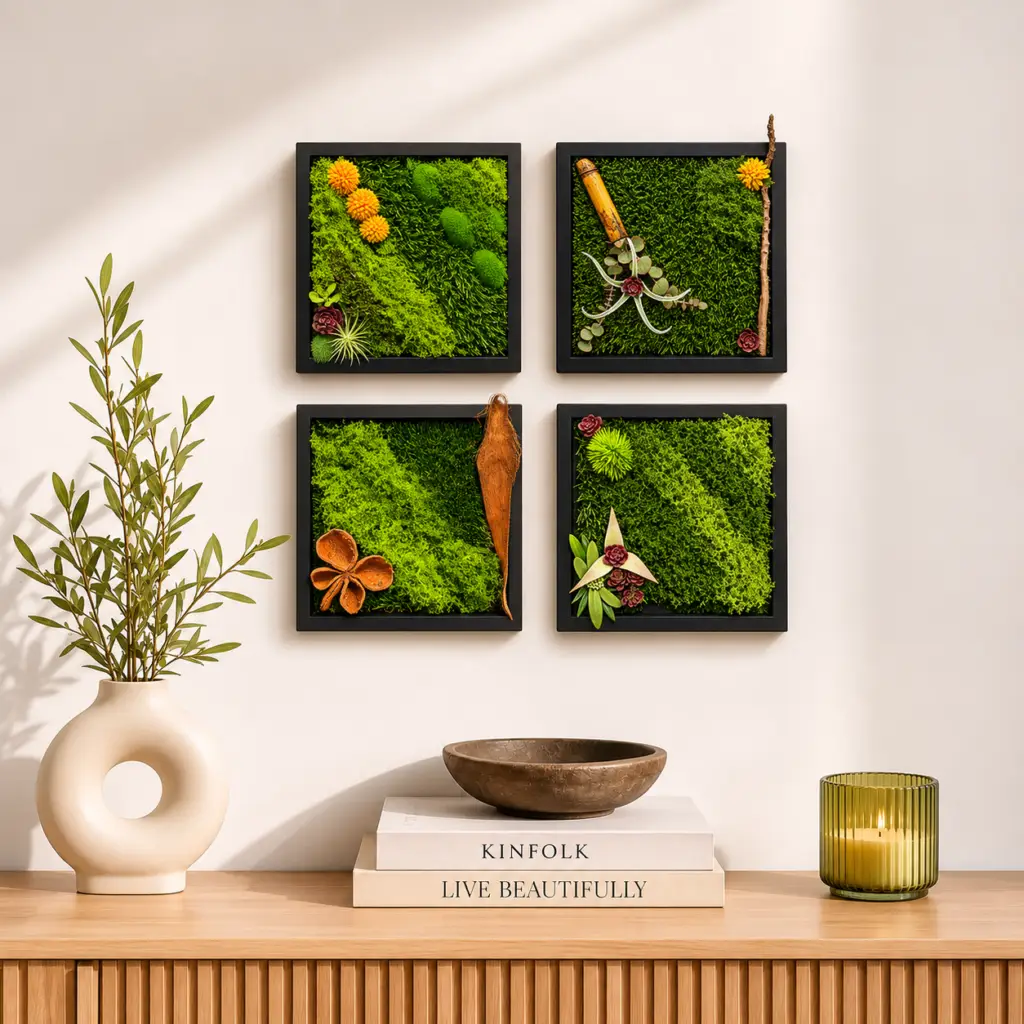
Dusting every few weeks is the only regular task. For a moss wall art kit or a framed piece, a gentle wipe with a soft brush is enough. For larger installations, an occasional light vacuum with a brushless attachment or a compressed air duster works well. Avoid touching the moss with bare hands frequently, as oils from the skin can attract dust and leave marks.
Preserved moss is a remarkably durable material that requires almost nothing from you, making it an excellent easy care natural wall decor choice. It gives you the visual benefits of a plant without the watering, sunlight, or feeding schedule. With just a little attention to humidity and dust, it stays fresh and green for years.